Institution · Estuary
Maritime Museum (Museo Marítimo)
Bilbao was built by its river, and this museum, set in the old shipyard district beside the estuary, tells that story from the keel up.
Shipbuilding and the port
The museum occupies a former shipbuilding area, and its most striking feature is the outdoor exhibition of vessels and dockyard machinery that stands beside the water. Indoors, the galleries trace the development of the port, the working lives of those who built and sailed the ships, and the engineering that shaped the estuary.
The estuary as subject
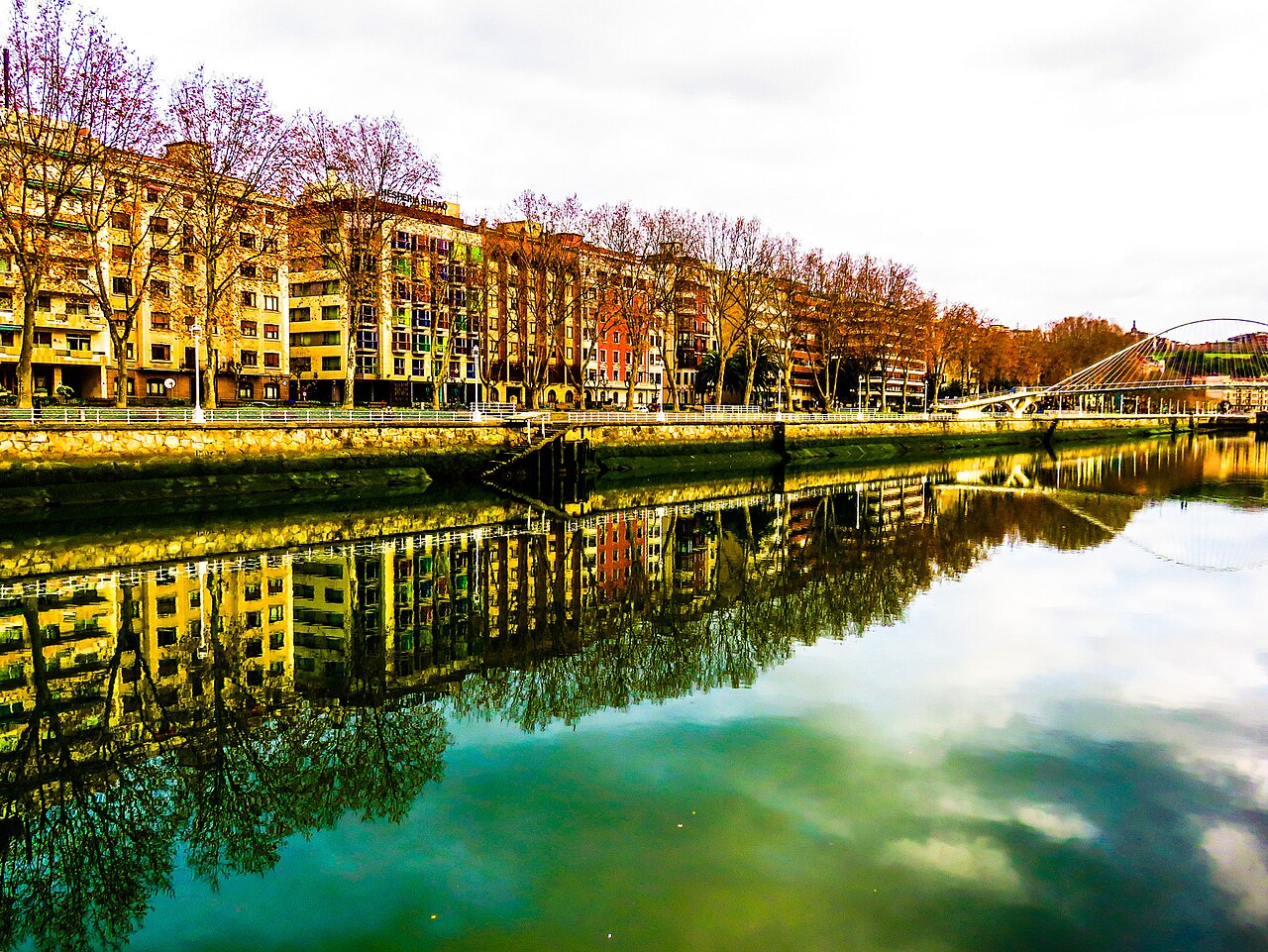
The Nervión estuary is not merely a backdrop here but the central character. The museum explains how the river was dredged, bridged and industrialised, and how those changes reshaped the towns along its banks. Models, photographs and recovered equipment make the technical story legible even to a visitor with no nautical background.
Experiencing the site
Part of the pleasure is simply being outdoors on the quay, among cranes and hulls, with the city on the far bank. The site is spacious and works well for families, and the combination of indoor galleries and open docks means a visit can fill two hours comfortably. Weather matters, so a dry day is the better choice.
Practical notes
The museum is reached by metro or on foot along the river from the centre; the getting around page explains the routes. Its weekly pattern is summarised on the opening rhythm page, and no-step access to the indoor galleries is covered in the accessibility guide.
Why the story matters
A port city's identity is written in iron, water and labour. This museum respects that inheritance without nostalgia, and in doing so it explains why Bilbao looks and feels the way it does today.